













Climate change

Extreme weather is becoming the new normal: why anticipating water stress matters more than ever

Extreme heat is no longer the exception
Record-breaking temperatures. Declining rainfall. Soils drying out earlier each season. Across Europe, heatwaves and water scarcity are becoming more frequent and more intense. This evolving climate is transforming the way crops are grown, making climate risk a defining factor in modern agriculture rather than an occasional challenge. Today, managing climate risk is just as important as choosing the right genetics, optimizing crop nutrition or protecting crops against pests and diseases. It has become an integral part of every crop management strategy.

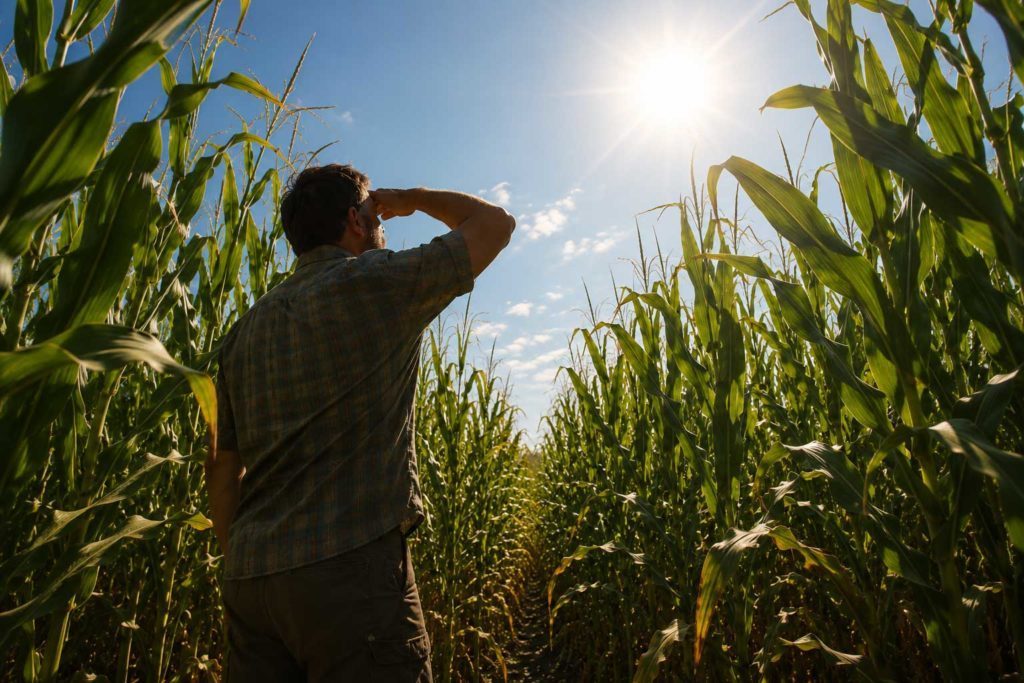
Farmer standing in a corn field looking at the blazing sun over his crops

A heatwave that reflects a lasting trend

Over the past few weeks, large parts of Europe have been hit by successive heatwaves, with temperatures surpassing 40°C in several countries. Although it is still too early to quantify their impact on this season’s harvest, one thing is already evident: extreme heat is no longer an exceptional event. It is becoming a defining feature of agricultural landscape.

Early field observations nevertheless call for caution. The effects of a heatwave cannot be assessed while it is occurring. Crop response depends on several interacting factors, including the duration of the stress, soil moisture reserves, nighttime temperatures, rainfall following the event and, above all, the crop’s growth stage. A complete assessment will only be possible once harvest is finished.

Beyond their potential impact on yield, these successive heatwaves reinforce a broader reality: the increasing frequency of extreme weather events is becoming a fundamental agronomic parameter that growers must now integrate into their crop management decisions.
Every field responds differently

When crops face extreme heat, limited rainfall or prolonged dry conditions, there is often a temptation to estimate yield losses using a single figure. In reality, crop response is far more complex.

Two neighbouring fields exposed to the same weather conditions can perform very differently. Soil depth, water-holding capacity, crop genetics and agronomic practices all influence a crop’s ability to cope with water stress. Current field observations already reveal striking contrasts, sometimes within the very same field.

Corn provides a particularly good example. Across many regions, crops are entering flowering, one of the most critical stages for determining final yield. Water stress during this period can disrupt pollination, reduce kernel set and significantly affect yield potential.

NOËL SCHERMESSER
Product Marketing Manager & Corn Crop Specialist, Elicit Plant
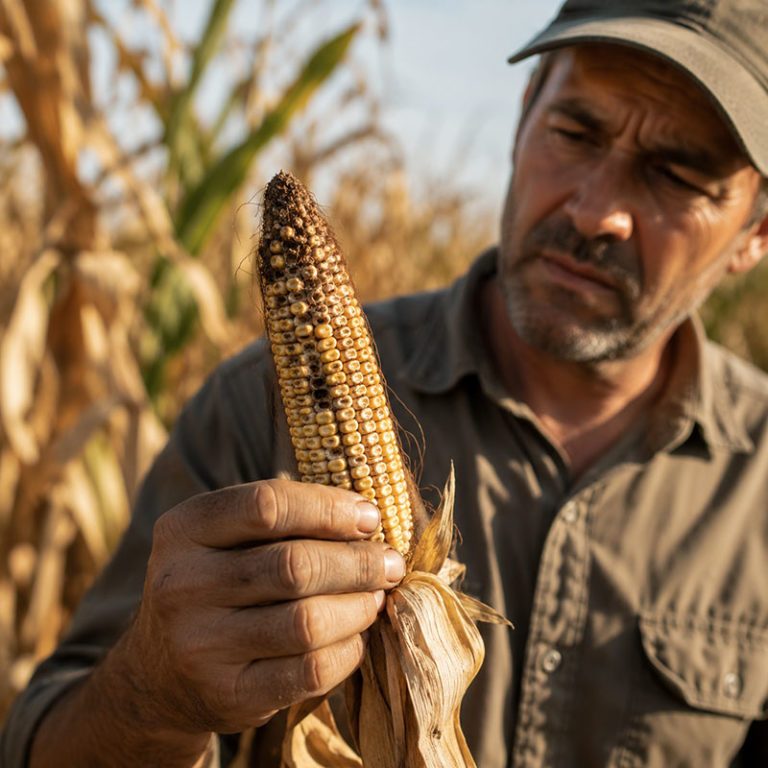
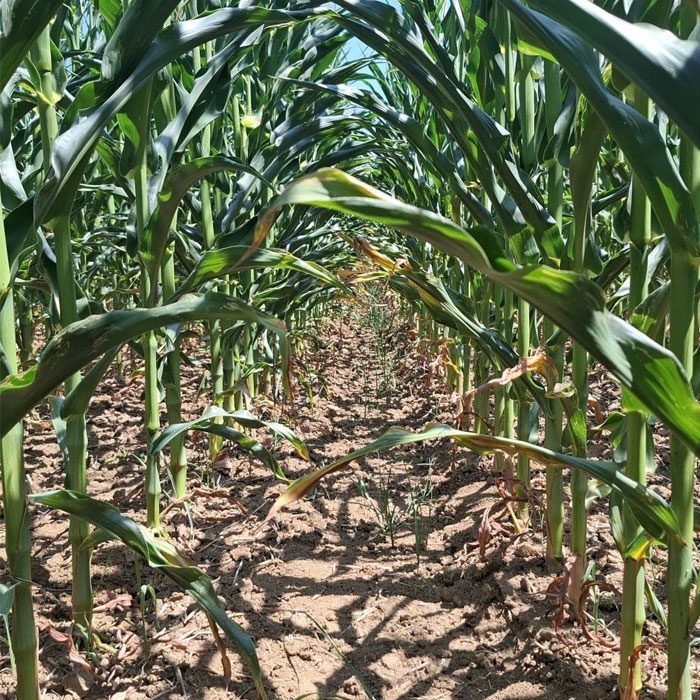
Today, leaf rolling is unfortunately the least of our concerns. In some situations, even irrigated fields are already showing signs of leaf desiccation. Differences in soil depth have become increasingly apparent, with some areas remaining green while others are already severely affected by water stress.

Although this example focuses on corn, the same principle applies across many broad-acre crops. A crop’s ability to withstand periods of extreme heat depends not only on its environment but also on when stress occurs during its development.

Visible symptoms appear only after water stress has already begun

When crop leaves begin to roll under extreme heat, the plant is not just starting to experience water stress. By that stage, it has already activated a series of natural defense mechanisms.

To conserve water, the plant progressively closes its stomata, reducing transpiration. While this response helps preserve available water, it also limits carbon dioxide uptake and slows photosynthesis. If these conditions persist, plant growth declines, biomass accumulation is reduced and yield potential may already be compromised-well before any visible symptoms appear.

In the field, these physiological changes gradually become visible through a range of warning signs: leaf rolling during the hottest hours of the day, poor overnight recovery, slower vegetative growth and, under prolonged stress, the progressive drying of lower leaves.

In other words, visible symptoms do not mark the onset of water stress-they reveal that the plant has already been under stress for some time. This changes the way growers need to approach climate risk management.

Corn under water stress

Examples of water stress symptoms in corn

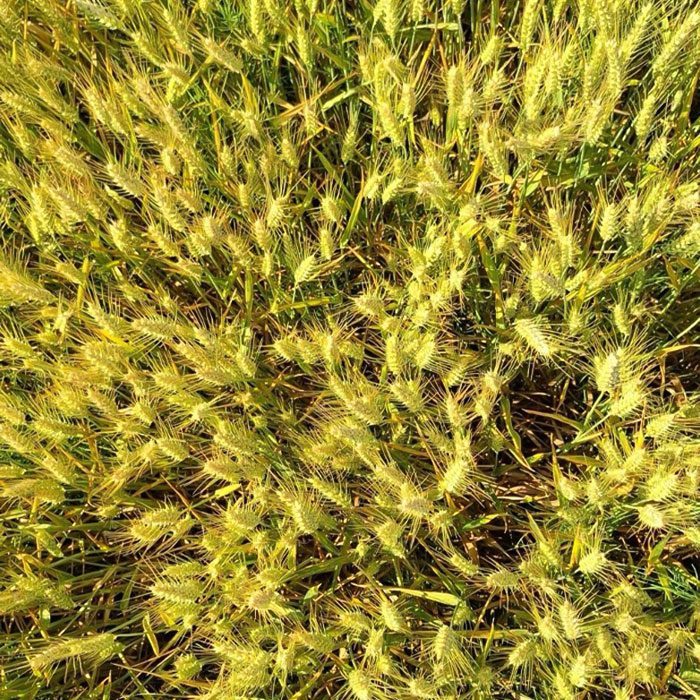
Wheat under water stress

Examples of water stress symptoms in wheat

Soybean under water stress

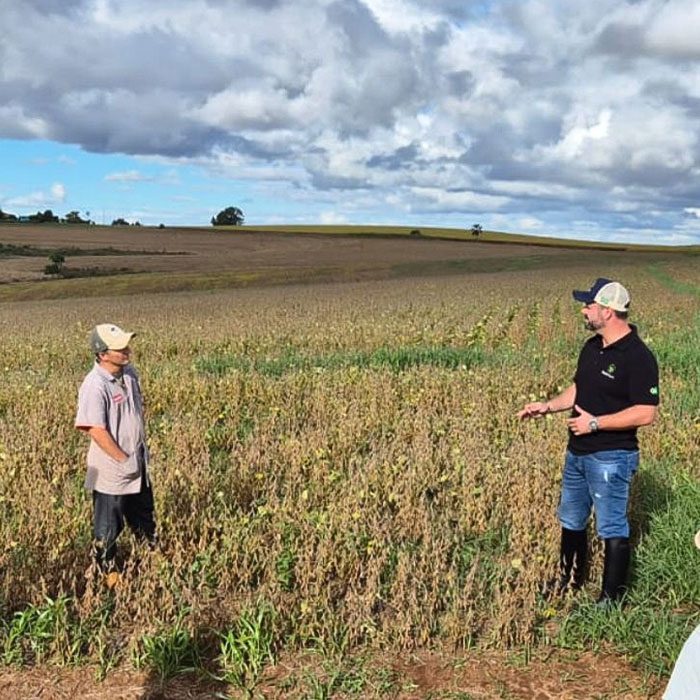
Examples of water stress symptoms in soybean

Anticipating rather than reacting: a new approach to crop resilience

For decades, heatwaves and drought were largely seen as exceptional events that required action only after damage had become visible. As these events become more frequent and more severe, agriculture is shifting towards a different approach: preparing crops before stressful conditions occur.

NOËL SCHERMESSER
Product Marketing Manager & Corn Crop Specialist, Elicit Plant
The real challenge lies in how risk is perceived. Our products are applied before any visible symptoms appear, at a stage when crops still look perfectly healthy. Yet by the time stress becomes visible, the plant has already been under water stress for several days.

This preventive strategy relies on a combination of complementary agronomic practices, including improving soil health, selecting appropriate genetics, optimizing irrigation where available, adopting sound crop management practices and integrating innovations that support the plant’s natural physiological responses.

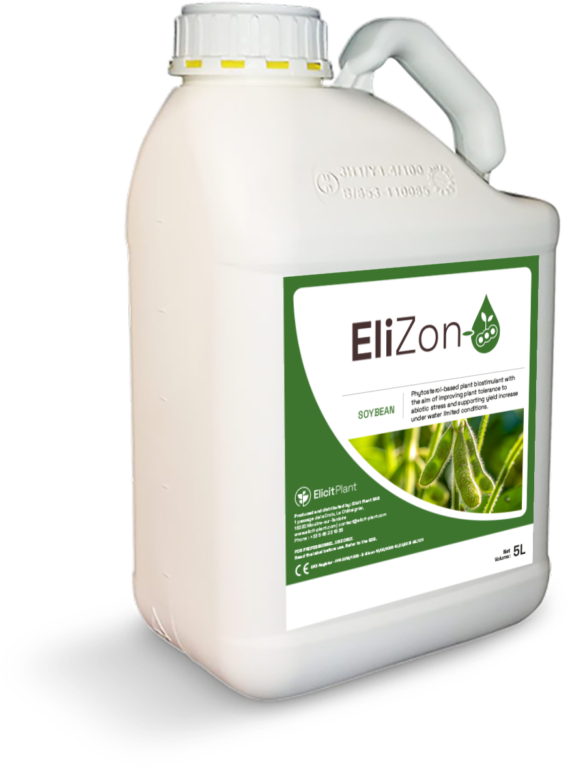
At Elicit Plant, this approach is enabled by EliTerra® technology. Rather than responding once stress has occurred, EliTerra® prepares the plant in advance by triggering a physiological signal before critical conditions arise. This allows the plant to adjust its metabolism, optimize water use and improve its ability to cope when water becomes limiting.

The objective is not to replace proven agronomic practices, but to enhance their effectiveness as part of a broader strategy focused on anticipation and resilience.

Discover the science behind Elicit Plant

Early observations from several trial networks this season already support this approach. Despite particularly challenging conditions, crops prepared ahead of the heatwaves appear to have maintained greater biomass and better preserved their development potential. As with any agronomic assessment, these observations will naturally need to be confirmed at harvest.

Preparing agriculture for a changing climate

The full impact of this latest heatwave will only become clear once harvest is complete. One conclusion, however, is already undeniable: episodes of extreme heat and water scarcity are becoming more frequent, occurring earlier in the season and lasting longer. Together, they are fundamentally reshaping the conditions under which crops are grown across Europe.

NOËL SCHERMESSER
Product Marketing Manager & Corn Crop Specialist, Elicit Plant
This season, many growers were reassured because their crops initially appeared healthy. Unfortunately, once prolonged heat set in, the opportunity to prepare the crop had already passed.

As climate variability continues to intensify, agriculture will need to draw on every available lever: improved agronomic practices, more efficient water management, advances in plant genetics, decision-support tools and innovative biosolutions.

More than an evolution in farming practices, the industry is undergoing a fundamental shift in mindset. The challenge is no longer simply to respond to water stress once it occurs, but to anticipate it-helping crops maintain their productivity and resilience in an increasingly unpredictable climate.

20% average water savings across crops with phytosterol technology
Key takeaways
  • Heatwaves do not automatically translate into yield loss. Their impact depends on crop growth stage, soil moisture reserves and weather conditions in the days and weeks that follow.

  • Visible symptoms appear only after the plant has already entered water stress. By the time leaf rolling or other symptoms become visible, the crop has already activated its natural defence mechanisms.

  • Every field responds differently. Soil characteristics, water availability, crop genetics and agronomic practices all influence a crop’s ability to withstand periods of environmental stress.

  • Anticipation is becoming a key agronomic strategy. Preparing crops before critical conditions develop helps preserve yield potential when extreme weather occurs.

  • Building resilient agriculture requires an integrated approach. Agronomic expertise, efficient water management and innovative biosolutions must work together to strengthen crop resilience in a changing climate.